
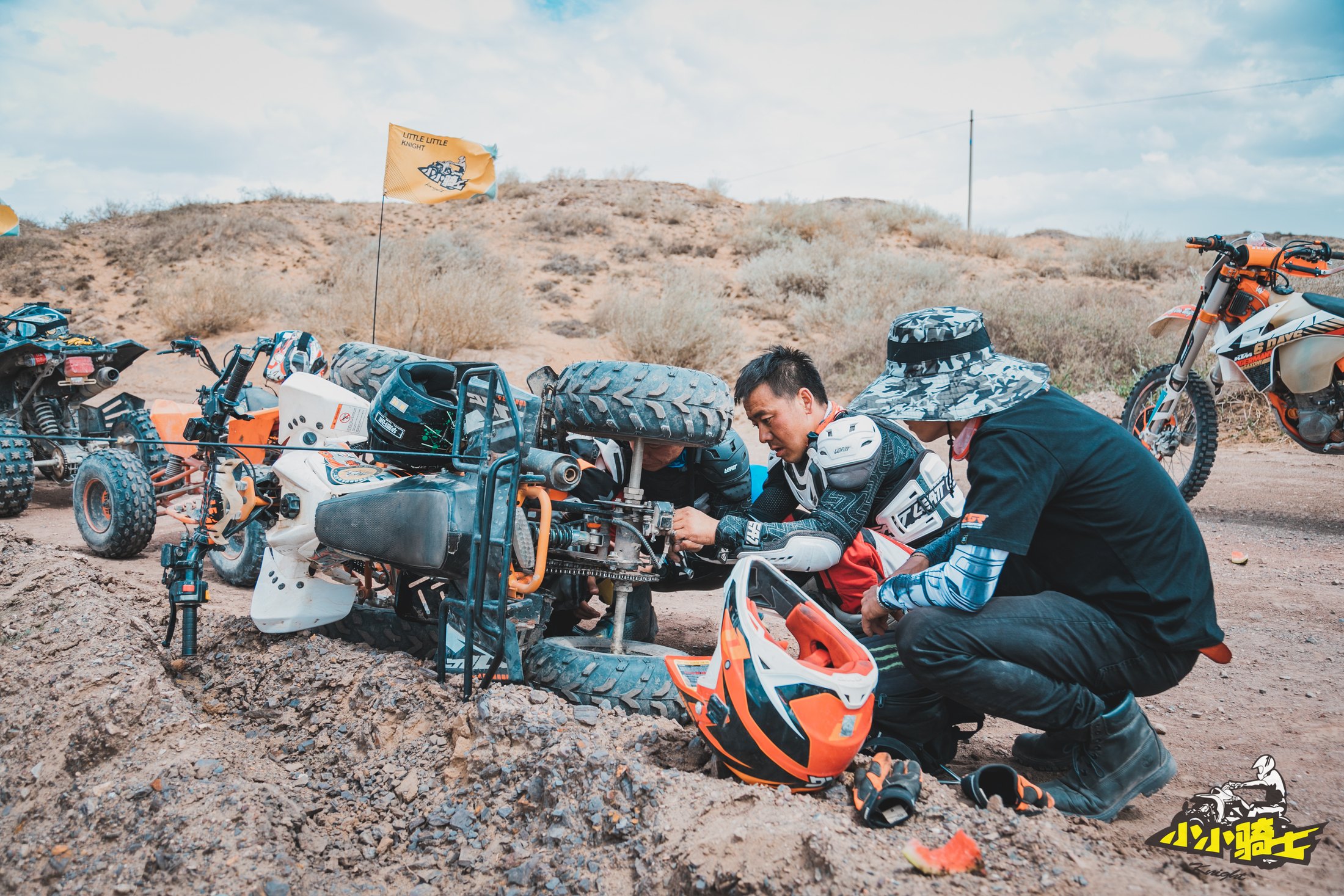
Responsible safety language
Outdoor challenge cannot be described as absolutely safe. The responsible wording is that risk is reduced through staged training, speed control, protective gear, coach supervision, route management and emergency plans.
Parents should be able to see the safety system before they apply, and the final registration process should include health disclosure, allergies, emergency contact and consent rules.
Eight safety categories
The 2026 PDF organizes safety into eight categories: equipment, scene, medical emergency, food health, transport, closed-loop process, physical and mental safety and insurance.
This page should be treated as a parent-facing summary. Detailed operating manuals, staff assignments and insurance wording should be confirmed internally before final publication.
- Equipment: vehicle checks and adjustment, helmets, knee and elbow pads, riding boots and full off-road protective gear.
- Scene: track, exploration route and rally route inspections, anti-collision facilities, warning signs and emergency routes.
- Medical: clinic with sports-injury first aid, fracture fixation and daily medicines; ambulance and hospital channel references.
- Food: traceable sources, daily fresh purchase, 48-hour sample retention and allergy/diet registration.
- Transport: Zhongwei pickup/drop-off, tracked route, compliant vehicles, experienced drivers and roll calls.
- Closed-loop process: mentor and safety officer roles, headcount checks, activity range control and gathering signs.
- Physical and mental safety: gender-separated accommodation, 24-hour security patrol and life teachers monitoring emotional state.
- Insurance: outdoor sports accident insurance covering children and adults as described in the materials.
Medical response note
The PDF mentions a clinic, emergency ambulance, surrounding tertiary hospital green channel and response/transfer timing. Public copy should avoid overpromising exact outcomes and instead explain the emergency-response structure.
What parents should confirm
Before enrollment, parents should confirm the child’s health condition, medication needs, allergies, sleep or emotional concerns, prior riding experience and emergency contact information.
The camp team should also publish or provide final rules for speed, grouping, stop commands, weather suspension and parent communication.
FAQ
Clear answers to the questions families ask before choosing a program.
Safety Questions
Is Kids Rally Camp risk-free?+
No outdoor challenge is risk-free. The responsible wording is that risk is reduced through staged training, speed control, protective gear, coach supervision, route management and emergency plans.
What equipment safety measures are listed?+
The PDF lists vehicle checks and adjustment plus helmets, knee and elbow pads, riding boots and full off-road protective gear.
How are routes and scenes managed?+
The PDF describes track, exploration route and rally route inspections, anti-collision facilities, warning signs and emergency route maintenance.
What medical emergency support is described?+
The PDF mentions a clinic with sports-injury first aid, fracture fixation and daily medicines, plus an ambulance and surrounding tertiary hospital channel. Public wording should not overpromise outcomes.
How is food health managed?+
The PDF lists traceable food sources, daily fresh purchase, 48-hour sample retention and registration of allergies or dietary restrictions.
How is transport managed?+
The PDF describes Zhongwei pickup/drop-off, tracked routes, compliant vehicles, experienced drivers and roll calls when getting on and off vehicles.
What does closed-loop process control mean?+
The PDF describes mentor and safety officer roles, headcount checks, activity range control and gathering signs.
Does the safety system mention emotional wellbeing?+
Yes. The PDF mentions gender-separated accommodation, 24-hour security patrol, life teachers monitoring emotional state and zero bullying.
Is insurance included?+
The PDF describes outdoor sports accident insurance for children and adults. Exact policy wording and coverage should be confirmed before enrollment.